

River Corps Members
Water-skilled AmeriCorps members, ready to serve Colorado’s rivers. Launch your career in watershed conservation with River Corps

Dedicated to Watershed Health in Colorado
River Corps Members are dedicated to improving watershed health through direct watershed monitoring, river restoration implementation, and outreach & engagement

Earn Professional Development Certificates
River Corps offers certificates in Water Quality & Ecology, Hydrology & Watersheds, and River Restoration
How to Apply / Join a Crew: Interested applicants must apply to individual positions when they become available in the Fall. Applicants will go through the screening call & interview process soon after applications close in early Winter.
Term Schedule: Members start in February and begin cohort-wide training for the first 6 weeks. After training, members begin service with their Host-Site until the end of term in November.
Requirements & Eligibility: Eligible applicants must be over 18 years old, have a valid US Driver’s License, pass a criminal history check, be available to serve for the entirety of the term in a full-time capacity (~40 hours/week), and be located in, or willing to relocate to, the host-site locations (no remote).

“River Corps gave me focus, confidence, and a wealth of knowledge in the water conservation field.”
-Matthew Fitchett, 2025 River Corps Member
Member Experience & Impact
Comprehensive training in watershed science, field techniques, and professional skills
Hands-on experience in hydrology, water quality, GIS, outreach, and restoration
Certificates for Hydrology and Water Quality Monitoring accredited by the State of Colorado
Professional development with mentors and partner organizations
Real-world project work that informs river management and stewardship
Segal AmeriCorps Education Award that can be used for student debt or future tuition, upon completion of service
A supportive community of peers and alumni in the water conservation field
2026 Member Projects
Effective Storytelling and Interviews as a Tool - Eliza King
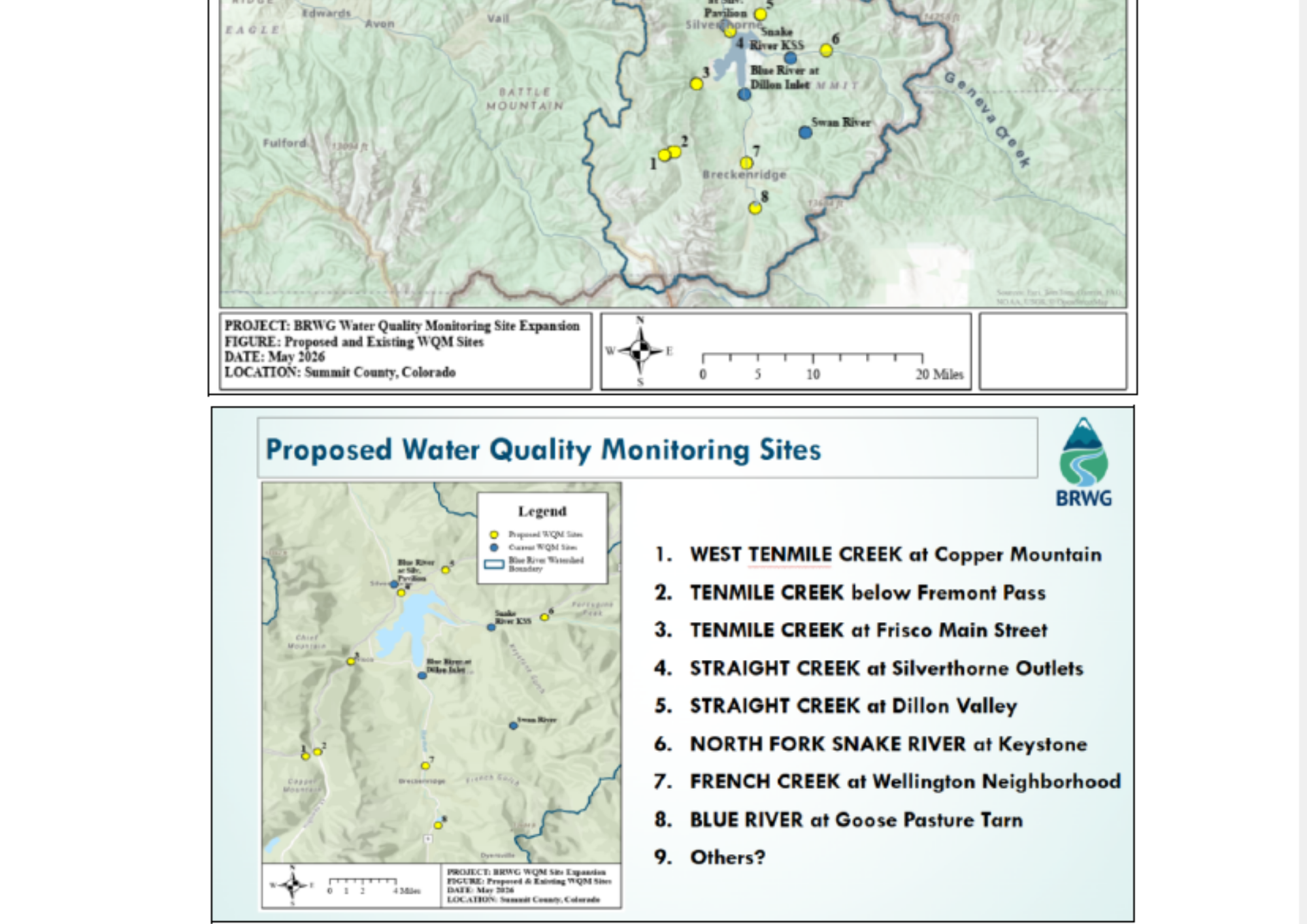
Expanding Water Quality Efforts Within Blue River Watershed - Jordan Reichers

Mapping Invasive Trees at Trinidad Lake State Park - Eli Howlett

Juniper Removal at Hartman Gulch - Alivia Preston

Yampa River Leafy Spurge Project: Analyzing Seven Years of Data - Alex Faulk

Post-Fire Flooding After the Aspen Acres Fire: A Community Resource - Grace Burnett
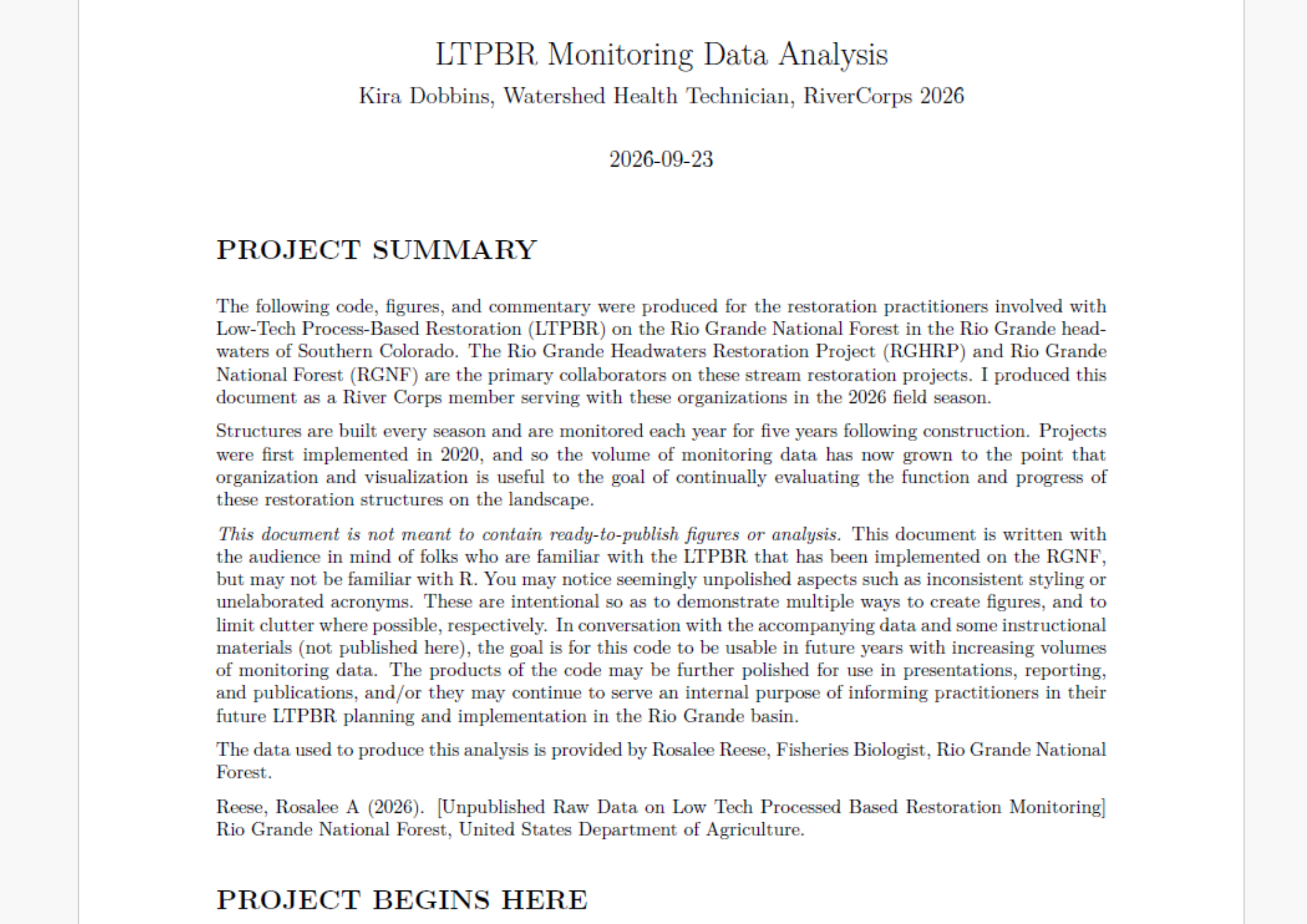
LTPBR Monitoring Data Analysis - Kira Dobbins
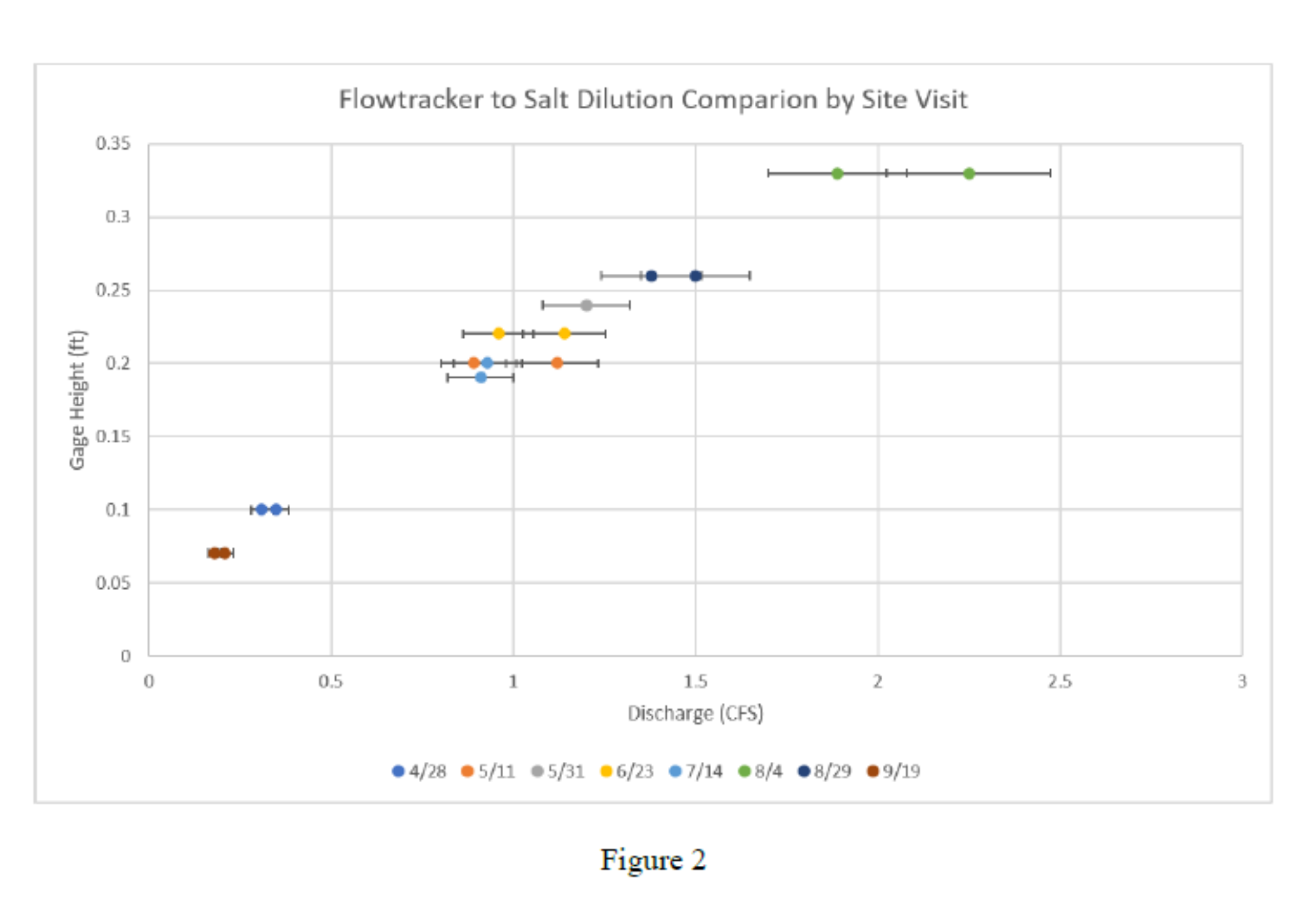
Salt Tracing as a Discharge Measurement Alternative - Madison Cantrell

Comparison Study of North Thompson Watershed and Four Mile Watershed - Cat Corona

Stream Temperature Trends in Grape Creek to Support Fisheries - Addie McIlroy

Creating a Geospatial Database for Tracking CWLT’s LTPBR Efforts - Chloe Denning

Willow Creek: A Restoration Project Implementing LTPBR - Amanda Bean

The San Luis Valley’s Water Sustainability - Bennett Yoke

Federal and State CWA Permitting Process - Leah Mickelson
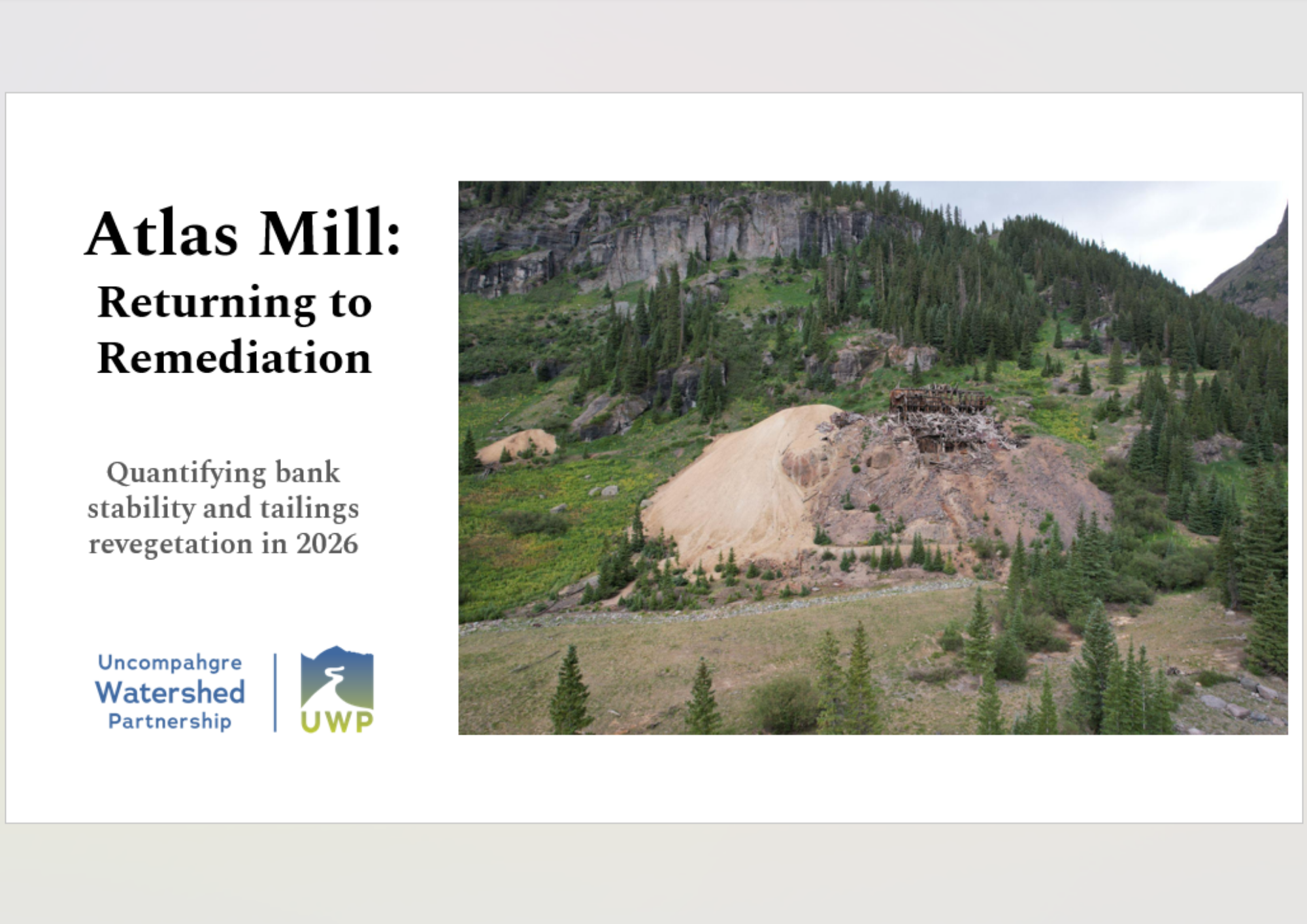
Atlas Mill: Returning to Remediation - Elliot Risch

Big Thompson Watershed Coalition’s Water Quality Report - Hilary Greenwood

2026 New Zealand Mudsnail Distribution Report - Giselle Burg, Mikaila Davis, and Dominique Garcia